2025-11-26 08:01:10
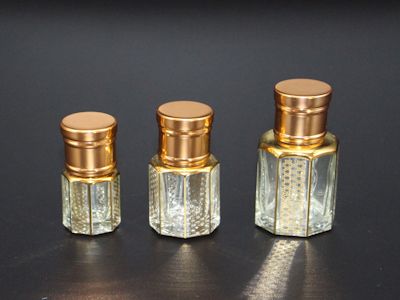
В мире парфюмерии флакон – это не просто сосуд для хранения аромата, а произведение искусства, которое отражает суть бренда, усиливает эмоциональную связь с потребителем и становится объектом желания. Уникальный дизайн флакона может превратить обычный парфюм в культовый продукт, и выбор материалов играет ключевую роль в этом процессе. От классического стекла до инновационных экологичных композитов – каждый материал предлагает свои преимущества, ограничения и возможности для творчества. В этой статье мы подробно рассмотрим разнообразные материалы, доступные для создания уникального дизайна флаконов духов, обсудим их свойства, тренды и практические аспекты использования.
Парфюмерия – это синтез искусства и науки, где аромат и визуальная эстетика идут рука об руку. Флакон служит первым визуальным контактом потребителя с продуктом, и его дизайн может влиять на восприятие качества, роскоши и индивидуальности аромата. Исторически флаконы для духов эволюционировали от простых керамических сосудов до сложных стеклянных творений, украшенных драгоценными металлами и камнями. Сегодня, с ростом конкуренции и emphasis на устойчивости, дизайнеры экспериментируют с новыми материалами, чтобы выделиться на рынке. Выбор материала определяет не только внешний вид, но и функциональность, стоимость производства и экологический след продукта. Например, стекло ассоциируется с элегантностью и чистотой, в то время как переработанные материалы подчеркивают commitment бренда к экологии. В этом контексте, понимание доступных материалов становится essential для креаторов, брендов и потребителей, стремящихся к уникальности.
Стекло остается самым популярным материалом для флаконов духов благодаря своей универсальности, прозрачности и способности защищать аромат от света и воздуха. Оно может быть moulded into intricate shapes, colored, or etched with patterns, offering endless design possibilities. Types of glass used include soda-lime glass for affordability, borosilicate glass for durability, and lead crystal for premium luxury – the latter often used by brands like Baccarat for limited editions. Innovations in glass technology, such as double-walled designs or frosted finishes, add a modern twist. However, glass is fragile and heavy, which can increase shipping costs. Despite this, its timeless appeal makes it a staple in perfumery, with examples ranging from the minimalist bottles of Jo Malone to the ornate creations of Guerlain.
Керамика и фарфор bring a tactile, artistic quality to perfume bottles, often associated with craftsmanship and heritage. These materials allow for hand-painted designs, glazing effects, and unique textures that evoke a sense of history and exclusivity. Brands like Hermès have used porcelain for their limited-edition bottles, leveraging its white, smooth surface for elegant branding. Ceramic is durable and provides good insulation against temperature changes, but it can be brittle and expensive to produce. In modern perfumery, ceramic is sometimes combined with other materials, such as metal caps, to create contrast. This material appeals to consumers seeking authenticity and artisanal value, making it ideal for niche perfumes that tell a story.
Металлы, including aluminum, brass, silver, and gold, are used for accents, caps, or entire bottles to convey luxury, modernity, and durability. Metal elements can be engraved, plated, or left with a raw finish to complement the glass or ceramic body. For instance, many high-end perfumes feature gold-plated caps to enhance prestige. Metals offer excellent protection against UV light and are recyclable, but they can be costly and may interact with the perfume if not properly coated. Contemporary designs often use metals in minimalist ways, such as sleek aluminum bottles for unisex fragrances, emphasizing a industrial-chic aesthetic. This material choice aligns with trends towards sustainability and reusability, as metal bottles can be refilled or repurposed.
Пластик and synthetic polymers like acrylic or PET are increasingly used for perfume bottles due to their lightweight, shatter-resistant, and cost-effective nature. They allow for bold colors, transparent effects, and complex shapes that are difficult to achieve with glass. Brands targeting younger audiences or travel-sized products often opt for plastic, as seen with some offerings from Zara or mass-market lines. However, plastic faces criticism for environmental concerns, leading to innovations in biodegradable or recycled plastics. For example, some brands use rPET (recycled polyethylene terephthalate) to reduce waste. While not as premium as glass, plastic enables democratic design and experimentation, making it valuable for innovative and accessible perfumery.
Дерево and other natural materials like bamboo, cork, or stone are gaining popularity for their eco-friendly appeal and unique, organic aesthetics. Wooden caps or entire wooden bottles offer a warm, tactile experience and can be sourced sustainably. Brands like L'Occitane en Provence use wood accents to emphasize natural ingredients in their perfumes. These materials are biodegradable and renewable, but they require treatment to prevent interaction with the fragrance and may be less durable. This trend reflects a broader shift towards sustainability in luxury goods, appealing to conscious consumers who value authenticity and environmental responsibility.
Combining multiple materials – such as glass with metal, ceramic with wood, or plastic with recycled elements – allows designers to create hybrid bottles that leverage the best properties of each. This approach enables unique textures, colors, and functional benefits, like a glass body with a silicone grip for ease of use. High-end perfumeries often use combinations to add layers of luxury, e.g., a crystal bottle with a silver cap. This creativity can differentiate brands in a crowded market, but it complicates manufacturing and recycling. Examples include bottles from Tom Ford or Dior, where materials are seamlessly integrated to tell a cohesive brand story.
The push for sustainability has spurred innovation in materials like bio-based plastics, recycled glass, and even materials derived from algae or mushrooms. These options reduce environmental impact and appeal to eco-conscious buyers. For instance, some brands experiment with bottles made from recycled ocean plastic or compostable polymers. While still niche, these materials represent the future of perfume packaging, aligning with global trends towards circular economy. Challenges include scalability and cost, but as technology advances, they will become more mainstream, offering new avenues for unique design that doesn't compromise on ethics.
The choice of material directly influences brand perception: luxury materials like crystal or gold signal exclusivity, while eco-friendly materials communicate responsibility. Marketing campaigns often highlight material choices to attract target demographics – e.g., emphasizing handmade ceramic for artisanal brands or recycled content for green consumers. This strategic alignment can enhance brand identity and drive sales, as consumers increasingly make purchasing decisions based on values and aesthetics.
When selecting materials for a perfume bottle, consider factors such as cost, durability, compatibility with the fragrance, production feasibility, and environmental impact. Collaborate with designers and manufacturers to test prototypes – for example, ensure that materials don't leach chemicals into the perfume. Also, think about the end-of-life: choose recyclable or reusable materials to support sustainability. Budget constraints may dictate choices, but even within limits, creativity can yield unique designs.
В заключение, разнообразие материалов для создания флаконов духов открывает безграничные возможности для дизайна. От вечной классики стекла до инновационных экологичных решений, каждый материал brings its own charm and challenges. By understanding these options, brands can craft bottles that not only protect and present the fragrance but also embody their essence and values. The future of perfume bottle design lies in balancing aesthetics, functionality, and sustainability, inspiring continued innovation in this art form.
Эта статья aimed to provide a comprehensive overview, but the journey of material exploration is ever-evolving. As technology and consumer preferences shift, we can expect even more exciting developments in the world of perfume packaging.
Предыдущая статья: Почему стекло лучший выбор для парфюмерных контейнеров
Следующий пост: Какие цвета спрей бутылок наиболее популярны в косметической индустрии сейчас
 1388xx888xx
Pujiang Chenjie Crystal Arts & Crafts Co., Ltd.
Адрес:No. 9-2, Xingbi Road, Jinhua, Zhejiang, China
Телефон:1388xx888xx
Контактные лица:Shawn
Email:1388xx888xx@gmail.com