2025-11-27 16:01:10
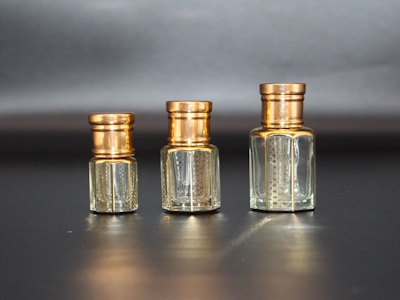
Ароматерапия, как древнее искусство и современная практика, использует эфирные масла для улучшения физического и эмоционального благополучия. Однако успех этой терапии во многом зависит не только от качества самих масел, но и от условий их хранения. Выбор контейнера играет ключевую роль в сохранении терапевтических свойств эфирных масел, предотвращении их деградации и обеспечении безопасности использования. В этой статье мы подробно рассмотрим, почему контейнер так важен, какие материалы предпочтительны, и как сделать правильный выбор для максимальной эффективности ароматерапии.
Ароматерапия — это holistic-подход к здоровью, который использует ароматические соединения, извлеченные из растений, для促進 физического и психологического благополучия. Эфирные масла, являющиеся сердцем ароматерапии, содержат летучие соединения, которые легко испаряются и воздействуют на организм через обоняние и кожу. История ароматерапии насчитывает тысячи лет, начиная с древних цивилизаций, таких как Египет, Китай и Индия, где масла использовались в религиозных, медицинских и косметических целях. Сегодня ароматерапия признана complementary medicine во многих странах, с научными исследованиями, подтверждающими ее benefits for stress reduction, pain relief, and immune support.
Эфирные масла получают через процессы дистилляции, холодного отжима или экстракции, и их состав включает терпены, спирты, esters, и другие bioactive compounds. Эти соединения чувствительны к внешним факторам, таким как свет, тепло, кислород и влажность, которые могут lead to oxidation, evaporation, or chemical changes, reducing their potency and therapeutic value. Поэтому proper storage is essential to maintain the integrity of essential oils. Контейнеры служат первой линией защиты against these environmental threats, making their selection a critical aspect of aromatherapy practice.
Beyond mere storage, containers also influence the application of essential oils. Whether used in diffusers, massage blends, or topical preparations, the container must facilitate easy and safe access while preventing contamination. In this context, understanding the properties of different container materials—glass, ceramic, plastic, metal, and others—becomes imperative. This article aims to provide a comprehensive guide on why the choice of container matters, exploring the science behind storage, practical considerations, and best practices for aromatherapy enthusiasts and professionals alike.
Выбор контейнера для эфирных масел не является merely a matter of convenience or aesthetics; it directly impacts the safety, efficacy, and longevity of the oils. Эфирные масла are highly concentrated and volatile substances, meaning they can easily interact with their environment. A poor choice of container can lead to several negative outcomes, including chemical degradation, loss of aromatic properties, and even health risks due to leaching of harmful substances.
First and foremost, containers protect essential oils from light. Ultraviolet (UV) light can cause photodegradation, breaking down the chemical compounds in oils and reducing their therapeutic benefits. For example, citrus oils like lemon or bergamot are particularly sensitive to light and can become less effective or even develop toxic by-products if exposed. Dark-colored glass containers, such as amber or cobalt blue bottles, are ideal because they block UV rays and minimize light exposure. Transparent or light-colored containers should be avoided for long-term storage.
Secondly, oxygen is a major enemy of essential oils. Oxidation occurs when oils come into contact with air, leading to the formation of peroxides and other compounds that can alter the scent, color, and therapeutic properties. This process can also increase the risk of skin irritation or allergic reactions when applied. Containers with tight-sealing caps, such as those with dropper inserts or screw tops, help minimize air exposure. Additionally, storing oils in smaller containers reduces the headspace (air inside the container), slowing down oxidation.
Heat is another factor that accelerates the degradation of essential oils. High temperatures can cause oils to evaporate more quickly or undergo chemical changes. Containers made of materials with good insulation properties, like glass or ceramic, are better at protecting against heat fluctuations compared to metals or plastics, which can conduct heat. Storing containers in cool, dark places further enhances protection.
Furthermore, the material of the container must be inert and non-reactive. Essential oils are solvents and can dissolve certain materials, leading to contamination. For instance, plastic containers may leach phthalates or other chemicals into the oils, which can be harmful when inhaled or applied to the skin. Similarly, low-quality metals can corrode or react with the oils. Glass and high-quality ceramics are generally safe because they are non-porous and do not interact with the oils.
In summary, the right container acts as a barrier against environmental factors, preserves the chemical integrity of the oils, and ensures safe usage. Neglecting this aspect can undermine the benefits of aromatherapy, making it essential to choose wisely based on material, design, and storage conditions.
When selecting containers for essential oils, various materials are available, each with its own advantages and disadvantages. Understanding these can help in making an informed decision that suits individual needs and preferences.
Стеклянные контейнеры: Glass is the most recommended material for storing essential oils due to its inert nature and excellent protective qualities. It does not react with the oils, preventing contamination, and it can be tinted to block light. Amber glass bottles are particularly popular because they offer superior UV protection. Glass containers come in various forms, such as bottles with droppers for easy dispensing, rollerballs for topical application, and jars for blends. However, glass is fragile and can break if mishandled, so it requires careful storage.
Керамические контейнеры: Ceramic containers are another good option, especially for short-term storage or decorative purposes. They are non-reactive and provide decent protection against light and air if properly sealed. Ceramics can be glazed to make them impermeable, but unglazed ceramics might be porous and should be avoided. These containers are often used for diffusers or as decorative pieces in aromatherapy settings, but they may not be as practical for frequent use due to their weight and potential for chipping.
Пластиковые контейнеры: Plastic is lightweight, durable, and inexpensive, making it attractive for some users. However, it is generally not recommended for long-term storage of essential oils. Many plastics contain chemicals like BPA or phthalates that can leach into the oils, especially with citrus oils that are more solvent-like. If plastic must be used, choose high-density polyethylene (HDPE) or polypropylene, which are less reactive, and avoid prolonged storage. Plastic is better suited for diluted blends or travel-sized containers where glass might be impractical.
Металлические контейнеры: Metal containers, such as those made from stainless steel or aluminum, offer durability and good protection against light and air. Stainless steel is inert and safe for essential oils, but it can be expensive and may not allow for easy visibility of the oil's level. Aluminum should be avoided if it is not lined, as it can react with acidic oils. Metal containers are often used in industrial settings or for transportation, but for personal use, glass is preferred due to its transparency and non-reactivity.
Другие материалы: Wooden containers are sometimes used for their aesthetic appeal, but they are porous and can absorb oils, leading to waste and potential contamination. They are not suitable for storage. Silicone containers are flexible and durable, but silicone can absorb odors and may not be entirely inert, so they are best for temporary use or non-aromatic purposes.
In choosing a container, consider factors like the type of oil, frequency of use, and storage environment. For most home aromatherapy, dark glass bottles with tight seals are the gold standard.
The material of the container can have a profound impact on the chemical stability and therapeutic efficacy of essential oils. Different materials interact with oils in unique ways, potentially altering their composition over time.
Glass, being inert, does not chemically interact with essential oils, preserving their original properties. Studies have shown that oils stored in amber glass bottles maintain their antioxidant activity and aromatic profile for longer periods compared to those in plastic or clear glass. For instance, a study on lavender essential oil demonstrated that storage in amber glass reduced oxidation by up to 50% over six months compared to clear containers.
Plastic containers, on the other hand, can lead to leaching of plasticizers into the oils. These additives can not only contaminate the oil but also catalyze degradation reactions. For example, polyethylene terephthalate (PET) plastics are known to release acetaldehyde when in contact with essential oils, which can affect the scent and safety. This is why regulatory bodies like the FDA recommend against using certain plastics for food and pharmaceutical storage, and the same principles apply to aromatherapy.
Metal containers, if made from reactive metals like copper or unlined aluminum, can cause oxidation or formation of metal complexes that change the oil's color and effectiveness. Stainless steel is generally safe, but it is crucial to ensure that the container is made from food-grade or medical-grade stainless steel to avoid impurities.
Ceramic containers, when properly glazed, provide a non-reactive surface similar to glass. However, if the glaze contains lead or other heavy metals, there is a risk of contamination, especially with acidic oils. It is important to source ceramics from reputable manufacturers that certify their products as lead-free.
The porosity of the material also matters. Porous materials like wood or low-quality ceramics can absorb oils, leading to loss of product and potential microbial growth if not cleaned properly. This is why non-porous materials are preferred for essential oil storage.
In addition to chemical interactions, the material affects physical properties such as evaporation. Containers with poor seals, regardless of material, can allow oils to evaporate, reducing their volume and concentration. Glass bottles with tight-fitting caps or droppers help minimize this issue.
Overall, the choice of material should prioritize inertness, impermeability, and protection from environmental factors to ensure that essential oils retain their therapeutic benefits for as long as possible.
Selecting the right container for essential oils involves more than just picking a material; it requires attention to design, size, and usage habits. Here are some practical tips to guide your choice.
First, opt for dark-colored glass bottles, preferably amber or cobalt blue, to protect against light. These are widely available in sizes ranging from 5ml to 100ml, allowing you to choose based on how much oil you use. Smaller bottles are better for oils you use infrequently, as they reduce headspace and slow oxidation.
Ensure the container has a tight-sealing cap. Dropper bottles are excellent for precise dispensing, while screw caps are good for storage. Avoid containers with rubber or plastic seals that might degrade over time; instead, look for those with glass or metal components.
For blends or diluted oils, you can use larger containers, but always fill them as full as possible to minimize air exposure. If you transfer oils from one container to another, do it quickly and in a cool, dark environment to reduce exposure to light and air.
Store containers in a cool, dark place, such as a cupboard or drawer, away from direct sunlight and heat sources like stoves or windows. The ideal storage temperature is between 15-25°C (59-77°F). Avoid storing oils in the refrigerator unless recommended for specific oils, as condensation can introduce moisture.
Clean containers thoroughly before reuse. Use alcohol or a mild soap solution to wash glass bottles, and ensure they are completely dry to prevent water contamination, which can lead to mold growth. Do not reuse containers that previously held other substances unless they are thoroughly sanitized.
When traveling, use small, leak-proof containers made from HDPE plastic or stainless steel if glass is not practical. Ensure they are filled to the brim to reduce air space and sealed tightly.
Lastly, label your containers with the name of the oil, date of purchase or opening, and any dilution ratios. This helps track freshness and ensures safe usage, as some oils degrade faster than others.
By following these tips, you can maximize the shelf life and effectiveness of your essential oils, making your aromatherapy practice more rewarding and safe.
В ароматерапии выбор контейнера для эфирных масел является не просто технической деталью, а фундаментальным аспектом, влияющим на безопасность, эффективность и долговечность масел. Ignoring this can lead to wasted resources, reduced therapeutic benefits, and potential health risks. By understanding the properties of different materials—prioritizing glass for its inertness and protection, avoiding reactive plastics and metals, and adhering to proper storage practices—you can ensure that your essential oils remain potent and safe for use.
Ароматерапия предлагает множество benefits for physical and emotional well-being, but these benefits are fully realized only when the oils are stored correctly. As the practice continues to grow in popularity, education on topics like container selection becomes increasingly important. Whether you are a beginner or an experienced practitioner, taking the time to choose the right container will enhance your aromatherapy experience and help you achieve the desired outcomes.
In summary, invest in quality containers, store oils properly, and always prioritize safety. This mindful approach will allow you to enjoy the full potential of aromatherapy for years to come.
Предыдущая статья: Безопасность пипеточных бутылок: как защитить себя и близких
Следующий пост: Создай уникальный флакон для духов который расскажет твою историю
 1388xx888xx
Pujiang Chenjie Crystal Arts & Crafts Co., Ltd.
Адрес:No. 9-2, Xingbi Road, Jinhua, Zhejiang, China
Телефон:1388xx888xx
Контактные лица:Shawn
Email:1388xx888xx@gmail.com