2025-12-02 04:01:10
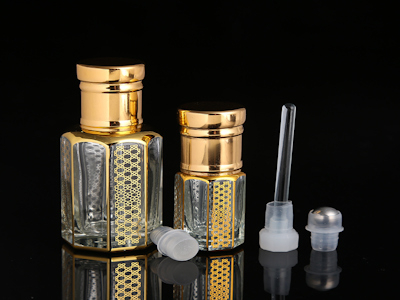
В мире парфюмерии выбор материала для флакона играет ключевую роль не только в эстетическом восприятии, но и в сохранении качества и целостности аромата. Среди множества вариантов, таких как пластик, металл или керамика, стекло неизменно выделяется как оптимальное решение. Его уникальные свойства делают его идеальным для упаковки духов, обеспечивая премиальный опыт для потребителей и долговечность продукта. В этой статье мы подробно рассмотрим, почему стекло заслуживает титула лучшего материала для флаконов духов, опираясь на научные данные, исторические аспекты и современные тенденции в индустрии.
Стекло использовалось для хранения парфюмерных изделий с древних времен, начиная с эпохи Древнего Египта и Рима, где ароматические масла и духи хранились в стеклянных сосудах. Это не было случайностью: стекло позволяло защищать ценные жидкости от окисления и испарения, одновременно демонстрируя их красоту через прозрачность. В средние века и эпоху Возрождения стеклодувное искусство расцвело в Венеции и других европейских центрах, создавая изысканные флаконы, которые стали символами статуса и богатства. Например, в XVIII веке французские парфюмеры, такие как те, кто работал при дворе Людовика XV, предпочитали стеклянные ёмкости для своих творений, подчеркивая исключительность продукта. Эта традиция продолжается и сегодня: бренды like Chanel или Dior используют стекло для своих iconic флаконов, reinforcing the association with luxury and heritage. Исторически, стекло не only protected the fragrance but also elevated it to an art form, making it an integral part of the perfumery experience.
С научной точки зрения, стекло обладает рядом свойств, которые делают его незаменимым для хранения духов. Во-первых, оно химически инертно, meaning it does not react with the organic compounds in perfumes. Духи состоят из сложной смеси эфирных масел, спиртов и других летучих веществ, которые могут взаимодействовать с некоторыми материалами, leading to alteration of the scent, discoloration, or even degradation. Например, пластиковые флаконы могут выделять химические вещества like phthalates or BPA, которые могут мигрировать в жидкость и изменять аромат, а также потенциально вредить здоровью. Исследования, такие как те, что опубликованы в Journal of Cosmetic Science, показывают, что стекло provides an impermeable barrier to oxygen and moisture, reducing the risk of oxidation—a common cause of fragrance spoilage. This is crucial because oxidation can break down delicate top notes (like citrus or floral accents) and shorten the shelf life of the perfume. Additionally, glass is non-porous, preventing absorption of odors or contaminants from the environment. In contrast, materials like wood or certain plastics can absorb scents, leading to cross-contamination. For instance, a study by the International Fragrance Association highlighted that glass containers maintain fragrance integrity for up to 3-5 years, whereas plastic may compromise it within 1-2 years. Thus, from a preservation standpoint, glass is superior, ensuring that the perfume smells exactly as intended by the perfumer from the first spritz to the last.
Визуальная привлекательность является ключевым аспектом парфюмерии, и стекло offers unparalleled opportunities for design innovation. Its transparency allows consumers to see the color and clarity of the perfume, which can be a selling point—for example, the golden hue of a oriental fragrance or the pale pink of a floral scent. This visual connection enhances the emotional appeal, as buyers can appreciate the beauty of the liquid before even smelling it. Moreover, glass can be molded, cut, etched, or colored in endless ways, enabling brands to create unique, artistic flacons that reflect their identity. Take the iconic bottle of Jean Paul Gaultier's Classique, shaped like a woman's torso, or the minimalist design of Byredo's offerings—both rely on glass to achieve their distinctive looks. Glass also feels premium to the touch; its weight and coolness convey a sense of quality and luxury that plastic or metal often lack. In marketing, this tactile experience can influence purchasing decisions, as consumers associate heavier, well-crafted bottles with higher value. Furthermore, glass is compatible with various decorative techniques, such as silk-screening, embossing, or adding metallic accents, allowing for customization that appeals to diverse tastes. From a branding perspective, a glass bottle can become a collectible item, encouraging loyalty and repeat purchases. In the era of social media, visually striking glass flacons are highly shareable, boosting brand visibility organically.
В современном мире, где экологическая осознанность растёт, стекло presents significant advantages over other materials. It is 100% recyclable and can be reused indefinitely without loss of quality, unlike plastic, which often downcycles into lower-grade products. The production of glass, while energy-intensive, has become more sustainable with advancements in technology, such as the use of recycled glass (cullet) that reduces energy consumption by up to 30% compared to virgin materials. Organizations like the Glass Packaging Institute advocate for glass as a circular economy solution, as it minimizes waste and carbon footprint over its lifecycle. For perfume brands, adopting glass flacons aligns with corporate social responsibility goals and appeals to environmentally conscious consumers. For example, Lush Cosmetics has promoted glass packaging for its perfumes, highlighting its biodegradability and reduced environmental impact. In contrast, plastic pollution is a global crisis, with millions of tons entering oceans annually; by choosing glass, the perfume industry can contribute to reducing this burden. Additionally, glass does not leach microplastics or harmful chemicals into the environment, making it a safer choice for ecosystems. However, it is important to note that glass is heavier and more fragile, which can increase transportation emissions and breakage risks. But with proper packaging and logistics optimization, these drawbacks can be mitigated. Overall, the long-term benefits of glass in terms of sustainability make it a forward-thinking choice for the future of perfumery.
Beyond aesthetics and ecology, glass offers practical benefits that enhance the user experience. Its rigidity and durability protect the perfume from physical damage during handling and storage, whereas flexible materials like plastic can crack or deform under pressure. Glass bottles are also easier to clean and sterilize, which is important for maintaining hygiene, especially if the perfume is used over a long period. The airtight seal achievable with glass (often combined with metal or plastic caps) ensures that the fragrance remains fresh and prevents evaporation. Many high-end perfumes use spray mechanisms integrated with glass bottles, providing precise application without leakage—a feat harder to achieve with less stable materials. From a consumer perspective, glass flacons are often refillable or reusable, allowing users to repurpose them as decorative items or for storing other liquids, thus adding value beyond the initial purchase. For instance, brands like Jo Malone offer refill services for their glass bottles, promoting sustainability and customer engagement. In terms of cost, while glass may be more expensive to produce initially than plastic, its longevity and premium perception justify the investment for luxury brands. Mass-market perfumes might opt for plastic to save costs, but this often comes at the expense of quality and brand image. Therefore, for discerning consumers and brands aiming for excellence, glass remains the practical choice that balances function with form.
To fully appreciate why glass is superior, it is instructive to compare it with other common materials used for perfume bottles. Plastic, for example, is lightweight and inexpensive, but it is permeable to gases, leading to faster fragrance degradation and potential chemical leaching. Metals like aluminum or stainless steel offer good protection but lack transparency, hiding the perfume's appearance, and can react with acidic components in some fragrances. Ceramics are aesthetically pleasing and inert, but they are heavy, fragile, and less versatile in design. Wood, while natural and unique, is porous and can alter the scent over time. Glass strikes the perfect balance: it is inert, transparent, durable, and highly customizable. Case studies from the industry support this; for instance, when Creed switched from glass to plastic for some travel sizes, customers reported changes in scent quality, prompting a return to glass for core products. Similarly, artisanal perfumers consistently choose glass to ensure purity and authenticity. In blind tests, consumers often prefer perfumes from glass bottles, perceiving them as higher quality even if the fragrance is identical, due to psychological factors linked to packaging. Thus, while alternatives have their niches, glass stands out as the all-around best material for preserving, presenting, and enhancing the perfume experience.
В заключение, стекло unequivocally emerges as the premier material for perfume flacons due to its historical significance, scientific efficacy, aesthetic versatility, environmental benefits, and practical functionality. It not only safeguards the intricate artistry of perfumery but also elevates it to a sensory and visual delight. As the industry evolves with trends towards sustainability and personalization, glass is poised to remain at the forefront, with innovations like smart glass or recycled designs enhancing its appeal. Brands that invest in high-quality glass packaging are likely to reap rewards in customer loyalty and brand equity. Ultimately, the choice of glass is a testament to a commitment to excellence—for the perfume, the planet, and the people who enjoy it. So next time you hold a glass bottle of perfume, remember that it is more than just a container; it is a guardian of memories and emotions, encapsulated in a timeless material.
Предыдущая статья: Многофункциональный спрей невероятная польза для дома
Следующий пост: Почему роллерные бутылки так удобны для повседневного использования
 1388xx888xx
Pujiang Chenjie Crystal Arts & Crafts Co., Ltd.
Адрес:No. 9-2, Xingbi Road, Jinhua, Zhejiang, China
Телефон:1388xx888xx
Контактные лица:Shawn
Email:1388xx888xx@gmail.com