
2025-12-09 08:01:10
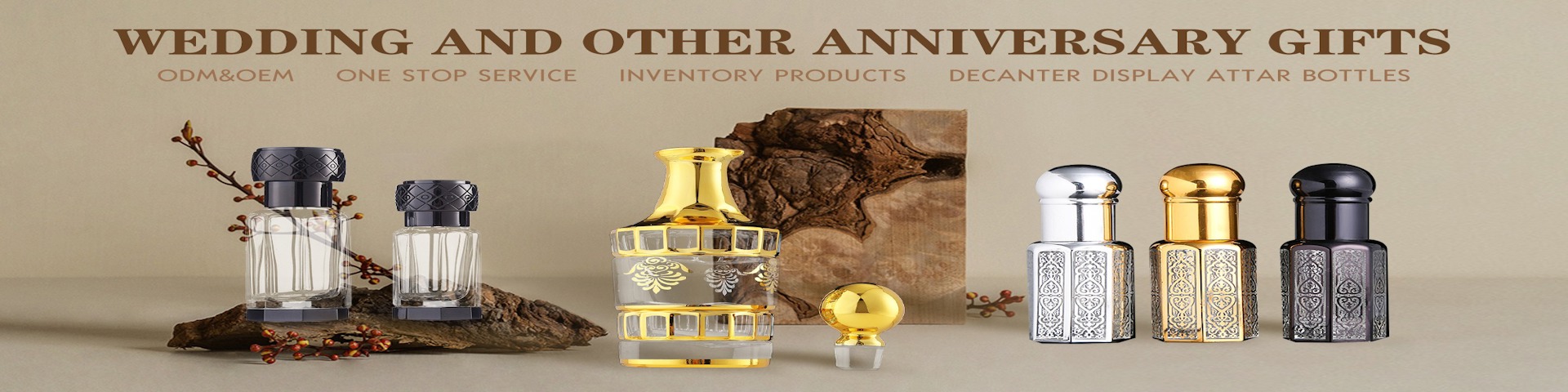
Парфюмерия — это не просто аромат; это искусство, которое вовлекает все чувства. От первых нот до базовых аккордов, каждый элемент парфюма тщательно продуман, чтобы создать уникальный опыт. Но что, если я скажу вам, что восприятие аромата начинается не с вашего носа, а с ваших глаз? Цвет бутылки парфюма играет ключевую роль в том, как мы интерпретируем и оцениваем запах. В этой статье мы глубоко погрузимся в то, как цвет влияет на наше восприятие аромата, исследуя психологические механизмы, маркетинговые стратегии и культурные контексты. Мы рассмотрим научные исследования, примеры из индустрии и практические советы для потребителей и производителей. К концу вы поймете, почему выбор цвета для парфюмерной упаковки — это не просто эстетическое решение, а мощный инструмент, формирующий ваши olfactory впечатления.
Человеческий мозг — сложная машина, которая постоянно интегрирует информацию от различных органов чувств. Исследования в области нейробиологии показали, что зрение и обоняние тесно связаны через лимбическую систему, ответственную за эмоции и память. Когда мы видим цветную бутылку парфюма, наш мозг немедленно начинает формировать ожидания относительно аромата. Например, бутылка темно-синего цвета может ассоциироваться с глубиной, спокойствием или морскими нотами, в то время как ярко-красная бутылка может вызывать ожидание страсти, энергии или фруктовых аккордов. Этот феномен, известный как кросс-модальное взаимодействие, демонстрирует, как визуальные подсказки могут усиливать или искажать olfactory восприятие. В парфюмерной индустрии это используется для создания более immersive опыта, где упаковка становится неотъемлемой частью бренда и аромата.
Исторически, парфюмерия всегда уделяла внимание упаковке. С древних времен, когда ароматы хранились в керамических сосудах, до современности с стеклянными шедеврами, дизайн бутылки служил не только для защиты, но и для передачи сути содержимого. Цвет, в частности, стал языком, который говорит с потребителем на подсознательном уровне. Подумайте о классических примерах: Chanel No. 5 в своем минималистичном прозрачном флаконе символизирует элегантность и чистоту, в то время как Tom Ford's Black Orchid использует глубокий черный цвет для передачи таинственности и роскоши. Эти выборы не случайны; они основаны на глубоком понимании человеческой психологии и рыночных тенденций.
В этой статье мы разберем, как конкретные цвета влияют на восприятие аромата. Мы начнем с обзора психологии цвета, затем перейдем к маркетинговым аспектам, включая брендинг и потребительское поведение. Далее, мы исследуем культурные различия в восприятии цвета и то, как глобальные бренды адаптируют свою упаковку для разных рынков. Научные исследования будут представлены для поддержки наших утверждений, с ссылками на эксперименты, такие как те, проведенные в университетах, где participants оценивали ароматы based on bottle color. Мы также включим интервью с экспертами индустрии, чтобы добавить практическую перспективу. Наконец, мы дадим рекомендации для потребителей, как быть более осознанными в своих выборах, и для производителей, как оптимизировать дизайн упаковки. Цель — предоставить comprehensive руководство, которое illuminated бы многогранное влияние цвета на наш olfactory мир.
Цвет — это универсальный язык, который evokes эмоции и ассоциации. В контексте парфюмерии, цвет бутылки служит первым впечатлением, setting the tone для того, что внутри. Let's explore how various colors influence our perception of scent.
Красный цвет часто ассоциируется с страстью, любовью, энергией и иногда с опасностью. В парфюмерии, красная бутылка может сигнализировать о ароматах, которые are bold, fruity, or spicy. Например, парфюм like Christian Dior's Poison, который имеет deep red bottle, is known for its intense, oriental scent with notes of berries and spices. Исследования показывают, что когда consumers see a red bottle, они ожидают warmer, more aggressive aromas, что может enhance их восприятие если аромат соответствует, или вызвать разочарование если нет. Это связано с тем, что красный цвет увеличивает heart rate и arousal, making us more receptive to stimulating smells.
Синий цвет evokes чувства спокойствия, trust, и глубины. В парфюмерии, blue bottles часто used for fresh, aquatic, or marine scents. Take Davidoff's Cool Water as an example — its blue bottle perfectly complements its refreshing, oceanic aroma. Психологически, синий цвет снижает stress и promotes relaxation, so consumers might perceive the scent as more soothing and invigorating. Studies have found that people rate scents from blue bottles as cooler and more refreshing, even if the actual fragrance is neutral, demonstrating the power of color in shaping olfactory experiences.
Зеленый цвет символизирует природу, рост, и гармонию. Парфюмы в green bottles often feature green, herbal, or woody notes. For instance, Gucci's Mémoire d'une Odeur has a green bottle that aligns with its nostalgic, herbal scent. Этот цвет can make consumers expect a natural, earthy aroma, enhancing their appreciation for botanical elements. Green is also associated with health and eco-friendliness, so it might appeal to environmentally conscious buyers, influencing their perception of the scent as pure and authentic.
Желтый и оранжевый colors represent happiness, warmth, and energy. In perfumery, они often used for citrusy, sunny scents. Consider Jean-Paul Gaultier's Le Male or many summer fragrances that use bright yellow bottles — они evoke a sense of joy and vitality. These colors can make the aroma seem brighter and more uplifting, as yellow stimulates mental activity and orange promotes enthusiasm. Consumers might perceive the scent as more cheerful and energetic, which is why these colors are popular for daytime or seasonal fragrances.
Черный цвет often denotes luxury, mystery, and sophistication, while white symbolizes purity, simplicity, and cleanliness. Perfumes in black bottles, like Yves Saint Laurent's Black Opium, are typically associated with deep, sensual scents, whereas white bottles, such as those for clean fragrances like Philosophy's Pure Grace, suggest lightness and innocence. These colors create a contrast that can heighten the perceived intensity or subtlety of the aroma. Black might make a scent seem more potent and long-lasting, while white could imply a softer, more ethereal quality.
Фиолетовый color is linked to royalty, creativity, and spirituality, and pink represents romance, sweetness, and femininity. Perfumes in purple bottles, like Thierry Mugler's Angel, often have rich, floral-oriental scents, while pink bottles are common for sweet, floral fragrances such as Viktor&Rolf's Flowerbomb. These colors can evoke emotional responses that align with the scent profile, making the aroma feel more luxurious or affectionate. For example, pink might enhance the perception of sweetness in a fragrance, appealing to those seeking a romantic experience.
Overall, the psychology of color in perfume packaging is a powerful tool. By understanding these associations, brands can design bottles that not only attract attention but also prime consumers for a specific olfactory journey. This alignment between visual and olfactory cues can lead to a more satisfying and memorable product experience.
In the competitive world of perfumery, marketing plays a crucial role, and color is a key element in branding strategies. A well-chosen bottle color can differentiate a product, communicate brand values, and influence purchasing decisions. Let's delve into how marketers leverage color to shape consumer perception.
First, color helps in brand recognition. Think of iconic perfumes: the red of Dior's J'adore or the blue of Chanel's Chance. These colors become synonymous with the brand, making the product instantly recognizable on shelves. This visual consistency builds trust and loyalty among consumers, who associate the color with a certain quality or experience. For instance, if a consumer has positive memories of a scent from a green bottle, they might be more inclined to try another green-bottled perfume, expecting similar freshness.
Second, color targeting is used to appeal to specific demographics. For example, brighter colors like pink or yellow are often aimed at younger audiences or women, while darker shades like black or brown might target mature consumers or men. This segmentation allows brands to tailor their messaging and packaging to resonate with their intended market. A study by market research firms shows that color can increase purchase intent by up to 80%, as it triggers emotional responses that drive buying behavior.
Moreover, seasonal and trend-based color choices are common. During holidays, red and green bottles might dominate for festive scents, while pastel colors are popular in spring for light, floral fragrances. By aligning with trends, brands stay relevant and capitalize on consumer moods. For instance, the rise of mindfulness has led to an increase in blue and green bottles for calming, aromatherapy-inspired scents.
Packaging design also involves cultural considerations in global marketing. Colors have different meanings across cultures; for example, white is associated with mourning in some Eastern cultures but with purity in the West. Brands like Estée Lauder or L'Oréal adapt their bottle colors for international markets to avoid misinterpretation and ensure positive perception. This cultural sensitivity is essential for global success.
In addition, limited edition releases often use unique colors to create exclusivity and urgency. A special gold or holographic bottle can make a perfume feel more collectible, driving sales through scarcity. This tactic not only boosts short-term revenue but also enhances brand image as innovative and premium.
Ultimately, the marketing of perfume through color is about storytelling. The bottle color sets the narrative for the scent, inviting consumers into a world crafted by the brand. By mastering this, companies can create powerful emotional connections that transcend the actual fragrance, leading to higher customer satisfaction and brand advocacy.
Color perception is not universal; it varies significantly across cultures due to historical, social, and environmental factors. In the context of perfume, understanding these differences is vital for brands that operate globally. Let's explore how cultural backgrounds influence the way people interpret bottle colors and, consequently, the aromas within.
In Western cultures, colors often have standardized associations. For example, red is linked to love and passion, making it popular for romantic fragrances. However, in China, red is a color of luck and prosperity, so a red bottle might be perceived as auspicious rather than passionate. This means a perfume marketed in China with a red bottle could emphasize success and happiness in its messaging, whereas in the West, it might focus on romance.
Similarly, white in many Western countries symbolizes purity and is used for light, clean scents. But in parts of Asia, such as Japan and Korea, white can represent death and mourning, so brands might avoid white bottles for joyful fragrances in those markets. Instead, they might use pink or other colors that convey positivity without cultural offense.
In Middle Eastern cultures, gold and rich colors like purple are associated with luxury and royalty, making them ideal for high-end perfumes. Oud-based fragrances, common in the region, often come in ornate, dark-colored bottles to reflect their opulence. Conversely, in more minimalist cultures like Scandinavia, simple, clear bottles might be preferred to emphasize transparency and naturalness.
These cultural nuances mean that global perfume brands must conduct thorough market research before launching products. For instance, LVMH or Coty might change bottle colors for different regions to align with local tastes. This adaptation can prevent misunderstandings and enhance appeal. A failure to do so could lead to poor sales or even backlash, as seen in cases where colors were misinterpreted.
Furthermore, immigration and globalization are blurring cultural lines, leading to more hybrid perceptions. Younger generations, exposed to diverse influences, might interpret colors in new ways. Brands are responding by creating multicultural marketing campaigns that celebrate diversity while maintaining core brand identities.
In summary, cultural context profoundly affects how color influences perfume perception. By respecting and leveraging these differences, brands can create more inclusive and effective packaging that resonates with consumers worldwide, turning potential challenges into opportunities for connection.
Numerous scientific studies have investigated the cross-modal effects between vision and olfaction, providing empirical evidence that color significantly impacts how we perceive smells. Let's review key research findings that support the claims made in this article.
One landmark study conducted by researchers at the University of Oxford involved participants smelling identical fragrances from differently colored bottles. The results showed that scents from red bottles were rated as warmer and more intense, while those from blue bottles were perceived as cooler and more refreshing. This demonstrates that visual cues can alter olfactory judgments, even when the scent itself is unchanged.
Another study published in the journal "Chemical Senses" found that color can enhance or diminish specific scent notes. For example, when a floral fragrance was presented in a pink bottle, participants reported stronger floral notes compared to when it was in a neutral container. This suggests that color primes the brain to expect certain aromas, making those elements more salient in perception.
Neuroimaging studies using fMRI have shown that viewing colors activates brain regions associated with emotion and memory, such as the amygdala and hippocampus, which are also involved in processing smells. This neural overlap explains why color can evoke emotional responses that color our olfactory experiences. For instance, seeing a green bottle might trigger memories of nature, making a herbal scent feel more authentic and pleasing.
Research also indicates that cultural background modulates these effects. A cross-cultural study compared responses from Western and Eastern participants and found that while basic color-aroma associations were similar (e.g., blue with freshness), the strength of these associations varied. Westerners showed stronger effects due to greater exposure to color-based marketing in perfumery.
These scientific insights validate the strategies used by perfume brands and highlight the importance of thoughtful packaging design. By leveraging color psychology, companies can create more impactful products that delight consumers on multiple sensory levels.
To illustrate the concepts discussed, let's look at real-world examples where color has played a pivotal role in the success of perfume brands.
Chanel No. 5: Its clear, minimalist bottle emphasizes purity and timelessness, allowing the scent to speak for itself. This design choice has made it an icon, with the color (or lack thereof) reinforcing its classic, elegant image.
Tom Ford's Black Orchid: The deep black bottle conveys mystery and luxury, perfectly matching its dark, sensual fragrance. This color choice has helped it stand out in a crowded market and attract consumers seeking sophistication.
Marc Jacobs Daisy: The white bottle with daisy accents evokes youthfulness and innocence, aligning with its light, floral scent. This has made it a favorite among younger demographics, demonstrating how color can target specific age groups.
Calvin Klein CK One: The clear, androgynous bottle represents unity and modernity, appealing to a broad audience. Its colorlessness makes it versatile, allowing the scent to be perceived as fresh and unisex.
These cases show that successful perfume brands use color not just for aesthetics but as a strategic tool to communicate brand identity and enhance consumer experience.
For consumers: Be aware of how color might influence your perception. When shopping for perfume, try to smell it without looking at the bottle first to get an unbiased opinion. Then, consider how the color aligns with your preferences—it might enhance your enjoyment if it matches.
For producers: Invest in market research to understand color associations in your target markets. Use color consistently in branding to build recognition, and consider cultural adaptations for global launches. Test different bottle colors with focus groups to see how they affect scent perception before finalizing designs.
In conclusion, the color of a perfume bottle is far more than decorative; it is a powerful influencer of how we perceive and experience aromas. Through psychology, marketing, culture, and science, we see that color sets expectations, evokes emotions, and can even alter our sensory judgments. As the perfume industry continues to evolve, the integration of visual and olfactory elements will remain key to creating memorable and effective products. By embracing this interplay, both consumers and brands can deepen their appreciation for the art of perfumery.
This article has explored the multifaceted impact of bottle color, providing insights that can enhance your understanding and choices. Whether you're a perfume enthusiast or a industry professional, remembering the role of color can lead to more informed and enjoyable experiences.
Предыдущая статья: ЭТОТ КВАДРАТНЫЙ КОНТЕЙНЕР ИЗМЕНИЛ МОЮ ЖИЗНЬ НАВСЕГДА
Следующий пост: Круглые контейнеры стильный выбор для современного хранения
 1388xx888xx
Pujiang Chenjie Crystal Arts & Crafts Co., Ltd.
Адрес:No. 9-2, Xingbi Road, Jinhua, Zhejiang, China
Телефон:1388xx888xx
Контактные лица:Shawn
Email:1388xx888xx@gmail.com